


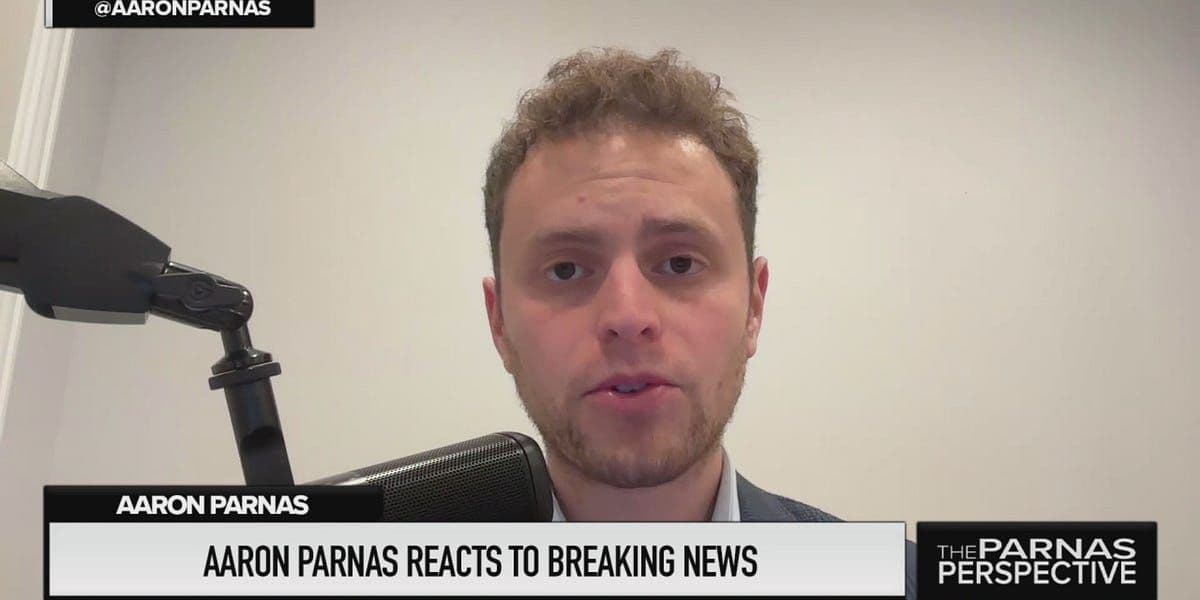
Apologies for another email on a Friday night, but, the Supreme Court tonight temporarily froze a federal district judge’s order requiring the Trump administration to deliver full SNAP benefits to roughly 42 million Americans by the end of the day. The ruling landed just hours after a federal appeals court in Boston rejected the administration’s attempt to halt the mandate, briefly setting the stage for an urgent race to restore food assistance for one in eight Americans.
The legal whiplash created a swirl of uncertainty around one of the country’s most essential safety-net programs. At issue is whether the administration must honor the obligation to distribute November benefits under the Supplemental Nutrition Assistance Program, even as the federal government remains shuttered.
I am getting you this in real time. If this independent reporting matters to you, please consider subscribing. Reader support is what keeps this work alive, and I can’t continue it without you.
A Sudden Stop at the Supreme Court
The Supreme Court’s decision to pause the order does not immediately clarify what it means for families who rely on SNAP. The Court’s brief notation offered no explanation, leaving policymakers, advocates, and state agencies reading between the lines. Because benefits are administered through states, any delay or mixed federal guidance can ripple quickly and painfully through households that count on consistent monthly support to buy groceries.
USDA Signals It Will Follow Lower Court Order, Regardless of Appeals
Earlier on Friday, before the Supreme Court acted, the U.S. Department of Agriculture sent a memo telling states it would begin releasing full SNAP benefits to comply with the district court ruling. Notably, the memo made no promise to reverse course even if a higher court intervened, suggesting the agency was already preparing to push out funding in the face of judicial and political turbulence.
The conflicting signals opened the possibility that benefits might still be paid even with the Supreme Court’s pause in place. For millions of low-income families, that question is not academic. SNAP dollars directly determine whether refrigerators are full or bare.
A Shutdown with Direct Human Costs
The dispute stems from the ongoing government shutdown, which began Oct. 1 after Congress failed to pass a short-term funding bill covering a wide range of federal programs, including food stamps. While the Trump administration announced last week that it would not issue any SNAP benefits for November because of the lapse in appropriations, past administrations have continued to fund the program during shutdowns, treating it as vital and urgent.
Legal advocates argued that cutting off food assistance would cause immediate and irreparable harm, pointing to the scale of the program and the speed at which vulnerable households would feel the impact. The district court agreed, ordering the administration to pay full benefits without delay.
Friday’s eleventh-hour intervention by the Supreme Court leaves the country in a legally suspended state: a command to pay benefits from a lower court, a willingness from USDA to move forward, and a temporary shield granted to the administration as it continues its appeal.
What Comes Next
The case now sits in a widening gray zone. States have some guidance but not clarity. The administration has temporary relief but not victory. And the Supreme Court’s pause is just that—a pause—one that keeps millions of families waiting to learn whether the next month’s groceries will be covered.
With legal battles still unfolding and the shutdown grinding on, the fate of November’s SNAP benefits now hangs on decisions yet to be written in federal courtrooms. What remains clear is the human cost of delay: kitchen tables across the country are waiting on an answer.