


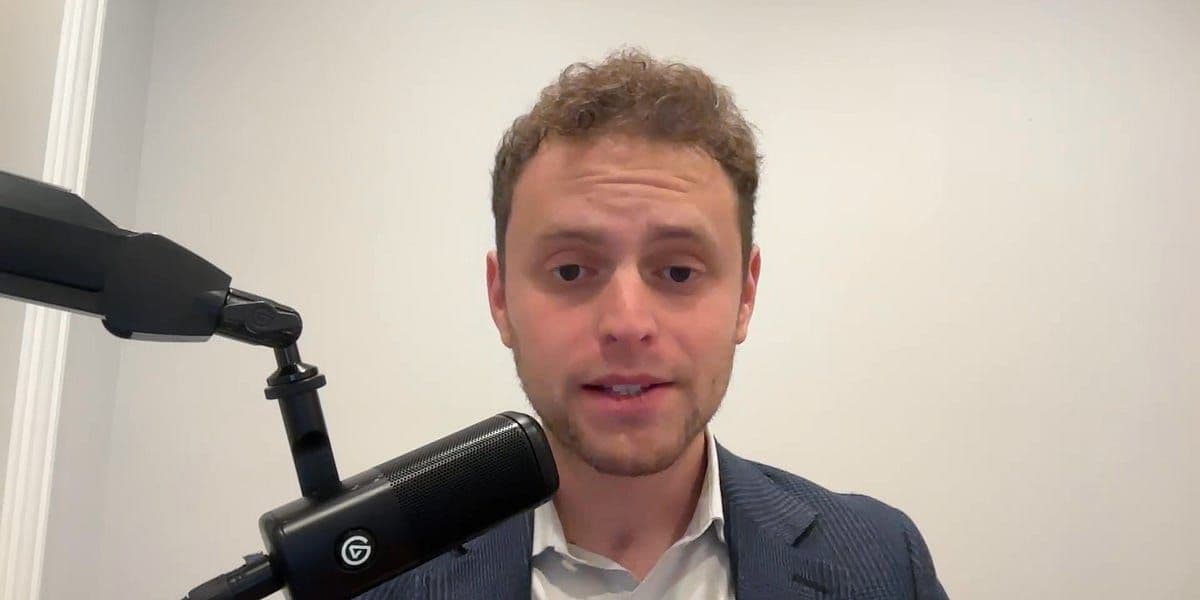
Tonight I want to share something different with you. I spent most of the day with Pew Research discussing the future of news media, and the conversations left me thinking deeply about where we are and where we are headed. Before I get into the data, I want to begin with a personal story.
Last night, I was speaking with a woman who conducts focus groups. She had recently led a session in a town outside Chicago. It included about one hundred people representing every political affiliation and a wide range of ages. Many were not college educated. Most were simply everyday Americans living their lives and trying to stay informed.
She told me that these one hundred people disagreed on almost everything. Yet there was one thing every single participant agreed on. They all knew about our platform and our work. Most said they relied on us as their primary source of news.
I will be honest. I was stunned. It is becoming clear that we are breaking through in ways I never imagined, reaching people across backgrounds, beliefs, and communities. And we are doing it because of you.
We are building something rare and powerful together. If you value this work, subscribe to help strengthen and expand it. I have exciting projects on the way, and your support helps bring them to life.
Subscribe
I also want to share some of what I learned today from Pew Research, because the findings were fascinating.
About one in five U.S. adults, or 21 percent, say they regularly get news from news influencers on social media. This is unchanged from when the question was first asked in 2024. The survey defined news influencers as individuals with large followings online who frequently post about news, politics, or social issues.
Younger adults are especially drawn to these voices. Thirty eight percent of adults ages eighteen to twenty nine regularly get news from influencers, compared with only eight percent of those sixty five and older. Surprisingly, there is almost no difference between Republicans and Democrats. Twenty one percent of Republicans and twenty two percent of Democrats say they rely on news influencers, including those who lean toward either party.
When people who follow new media journlaists are asked why they do so, there is no single dominant reason. Instead, many cite a mix of motivations. Fifty four percent say influencers help them better understand current events and civic issues. Fifty four percent say they are quick at reporting breaking news. Forty nine percent value authenticity. Forty six percent say influencers offer information they cannot get elsewhere.
The reasons vary significantly by age. About half of adults fifty and older say they follow news influencers because the influencers express opinions or values they agree with. Only thirty five percent of adults under fifty say the same. Older adults also place higher value on authenticity, with fifty eight percent citing it as a major reason compared with forty five percent of younger adults.
The world is changing quickly, and the media landscape is changing with it. We are now reaching tens of millions of Americans every day with truthful, honest reporting. Both the data and the stories behind the data show that something real is happening.
As audiences shift and new ways of consuming news take hold, I want to hear from you. What do you want to see from me that you have not seen yet?