


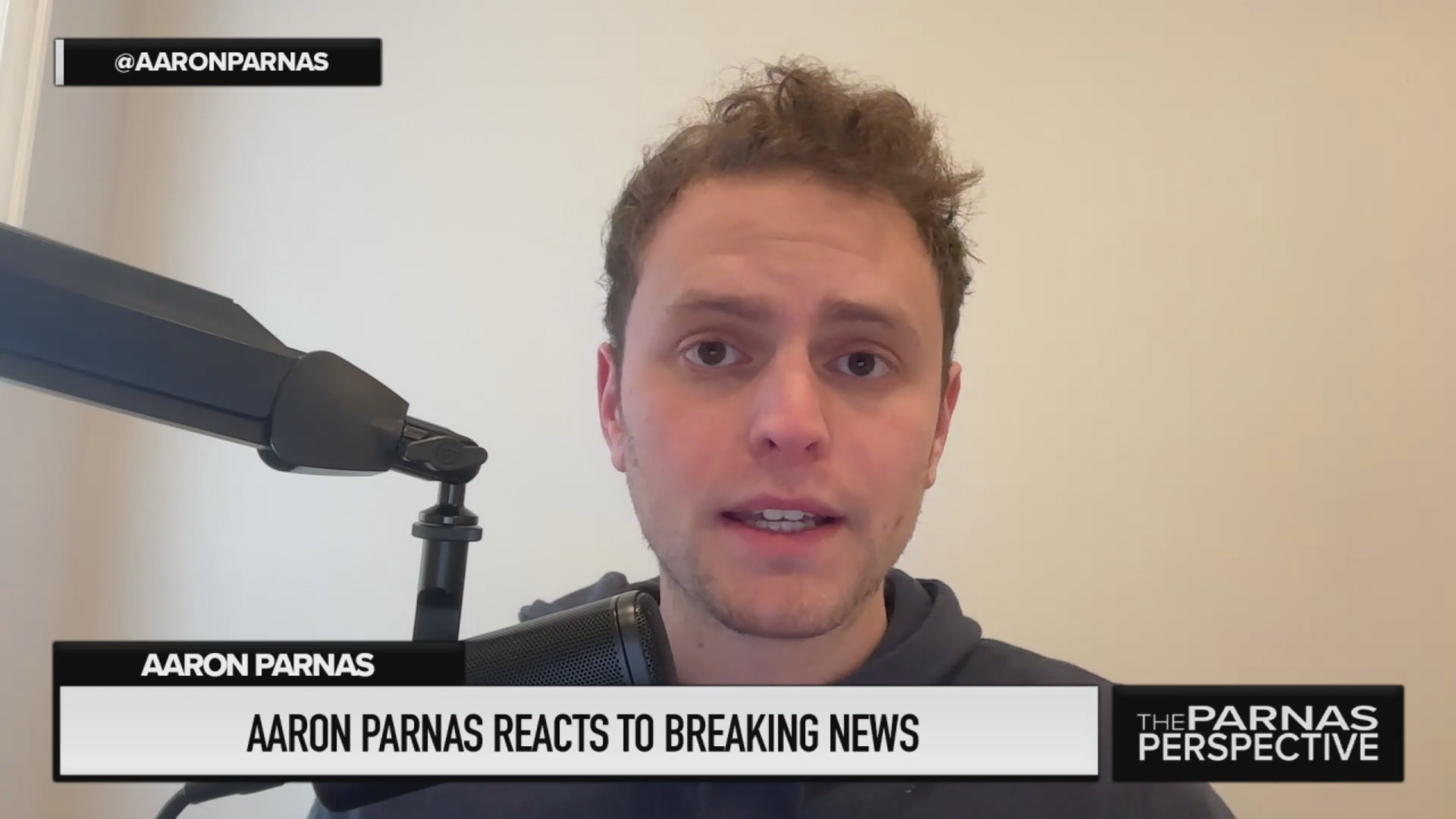
We have an important mid-day news update. The fallout from the newly released Epstein files is accelerating across both sides of the Atlantic, triggering criminal investigations, congressional testimony, and renewed political controversy over institutions and accountability.
Someone told me today they hoped I would never go to a major media company and would always stay independent. I am not going anywhere. I am independent and I will stay independent. I am working around the clock to deliver real time updates straight to your inbox. Subscribe to support my work. This reporting is funded by you.
In the United Kingdom, the first criminal investigation linked directly to the Epstein files has now been launched. Metropolitan Police are investigating allegations that former business secretary Peter Mandelson leaked confidential Downing Street emails and market-sensitive financial information to convicted sex offender Jeffrey Epstein.
The allegations, which emerged from documents released by the US Department of Justice, sparked immediate cross-party outrage. Mandelson has resigned from the House of Lords, and Prime Minister Keir Starmer has moved to strip him of his peerage. If charged and convicted of misconduct in public office, Mandelson could face a potential life sentence.
In the United States, the Epstein investigation has also reached the highest political levels. Former President Bill Clinton and former Secretary of State Hillary Clinton have agreed to testify before the House Oversight Committee on February 26 or 27, ending a months-long standoff that had brought them close to being held in criminal contempt of Congress.
The depositions will be filmed and transcribed with no time limits, marking the first time a former US president has testified before a congressional panel since Gerald Ford in 1983. Both Clintons deny any wrongdoing or knowledge of Epstein’s crimes and have accused Republicans of politicizing the inquiry.
Meanwhile, controversy has also erupted over the Trump administration’s handling of election security. Director of National Intelligence Tulsi Gabbard has drawn criticism after appearing at an FBI raid of a Georgia election centre, despite having no domestic law-enforcement authority.
The White House defended her involvement, with spokesperson Karoline Leavitt stating that Gabbard had been “tapped by the president to oversee the sanctity and security of our American elections” and was working “directly alongside the FBI” as part of a “whole-of-government effort.”
The Guardian has now confirmed that Gabbard is running a Trump-approved, independent review of the 2020 election focused on voting-machine vulnerabilities and potential foreign interference, separate from a Justice Department criminal probe. Her role underscores President Trump’s renewed push to scrutinize the election he lost to Joe Biden.
Meanwhile, on Capitol Hill, tensions over public trust and scientific authority were also on display in the Senate this week during a striking exchange between Senator Bernie Sanders and health official Jay Bhattacharya.
When Sanders asked whether vaccines cause autism, Bhattacharya responded that he did not believe the measles vaccine causes autism. Sanders pressed him further, asking whether vaccines in general cause autism. Bhattacharya replied that he had not seen credible studies suggesting that any single vaccine does so, highlighting ongoing political pressure surrounding vaccine misinformation. This statement is in direct contrast to the beliefs of his boss, the Secretary of Health and Human Services.
The White House has also sought to clarify President Trump’s recent comments suggesting Republicans should “nationalize voting.” Asked about the remark, Leavitt said the president was referring to the SAVE Act, a Republican-backed bill that would impose nationwide voting measures such as voter ID requirements.
“The president believes in the United States Constitution,” she said, adding that the proposal reflects what the administration views as “common-sense” election safeguards.
Taken together, the developments reveal a volatile moment in transatlantic politics, where the Epstein files continue to reverberate through institutions, while debates over elections, accountability, and public trust dominate the political landscape.