


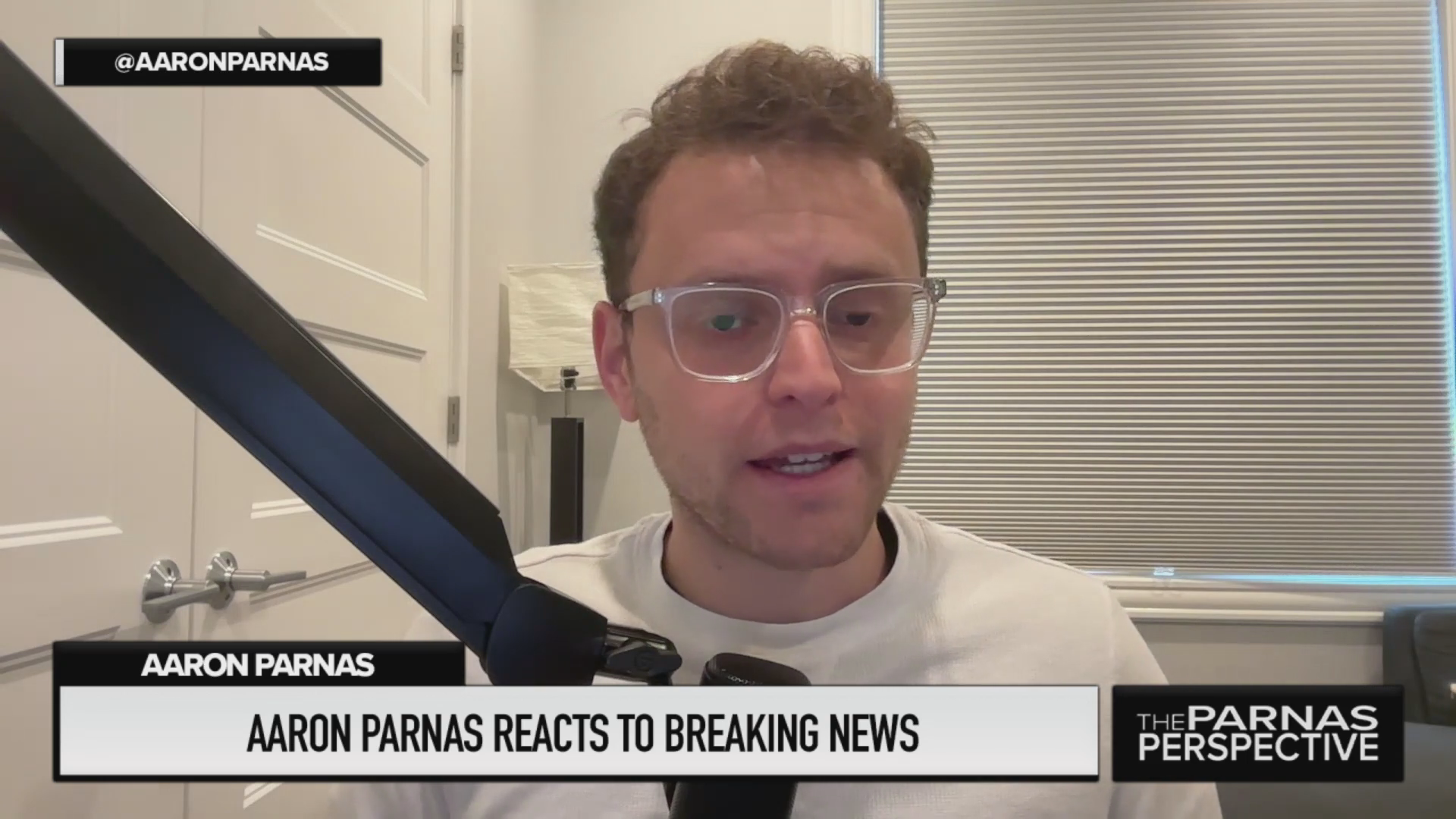
We have major developments this morning you need to be aware of. New Epstein revelations show private investigators removed computers and key records from his homes in the early 2000s that the DOJ never obtained, and now Congress may soon gain access to that material. At the same time, survivors are actively suing the DOJ over the exposure of their identities. On the national security front, Iranian hackers claim they breached Kash Patel’s personal email and released sensitive personal files, as Republicans move forward with a DHS funding deal that restores most operations but leaves ICE and CBP unresolved.
I also want to take a moment to say thank you. Your messages, emails, support, subscriptions, the coffee, and everything in between mean more than you know and have kept me caffeinated and motivated because of the community we’ve built. I know many of you have asked for personal details about my daughter including her name and a picture. I would love to share them, but for safety reasons I will not be sharing that information given the threats I receive. I hope you understand.
Here’s the news:
- Iran-linked hackers claim they breached FBI Director Kash Patel’s personal email and released files including photos and a resume, with a Justice Department official confirming the compromise. Some of the leaked material appears to include both personal and work-related communications spanning several years. The breach raises concerns about cybersecurity risks involving senior U.S. officials. The authenticity of all released materials has not been fully verified. Here are some of the images that are purported to have been released (I am going through all of them right now).
- House Oversight Democrats are seeking testimony from private investigators who removed key evidence from Jeffrey Epstein’s home before a 2005 police search. The materials, including computers and records, may never have been turned over to law enforcement and could have impacted the case. Lawmakers are investigating whether the evidence was intentionally withheld and where it is now. The probe raises new questions about how Epstein avoided more serious charges for years and whether critical evidence was concealed.
- Here is Congressman Robert Garcia’s statement in response to the news:
- A group of Jeffrey Epstein survivors filed a class action lawsuit against the Justice Department and Google, alleging that improperly redacted documents exposed their identities. The suit claims the release led to harassment, threats, and renewed trauma for victims whose personal information was made public. Plaintiffs argue the DOJ prioritized speed over privacy protections and that Google continued to amplify the harm by hosting the material. The case raises serious concerns about data handling and accountability in the release of sensitive records.
- According to Reuters, documents show UBS helped transfer millions of dollars for Ghislaine Maxwell shortly before she purchased the New Hampshire property where she was later arrested while in hiding. The transactions occurred even after the bank had been subpoenaed and indicated it would cut ties with her. Investigators say the funds moved through a network of accounts and trusts tied to her finances. The revelations raise questions about how major banks handled high-risk clients linked to Jeffrey Epstein’s trafficking network
- Faith Kates, founder of Next Management, had a decades-long relationship with Jeffrey Epstein and introduced him to models, according to newly revealed documents. Emails show she maintained close contact, offered support after his 2009 conviction, and even sought business advice and potential financial backing from him. The connections raise serious concerns about how young models were exposed to Epstein and the broader culture within the industry. Next Management has since moved to cut ties, saying her relationship with Epstein was not known internally.
- The Senate passed a funding bill to reopen most of the Department of Homeland Security after a prolonged shutdown, but excluded funding for ICE and parts of CBP. The measure would restore operations for agencies like TSA and FEMA while leaving key immigration enforcement funding unresolved. Democrats framed the move as standing firm on reforms, while Republicans criticized them for prolonging the crisis. The bill now moves to the House as broader disagreements over immigration policy continue.
- The House is set to consider the DHS funding bill that could pass soon and be sent to Donald Trump for approval. The measure would restore funding for agencies like the Transportation Security Administration and Coast Guard. Senate Majority Leader John Thune called the outcome “unfortunate,” noting Democrats did not secure the reforms they had sought. The situation reflects ongoing partisan tensions as lawmakers move to resolve the funding standoff.
- President Donald Trump said he told a top budget official to ignore a court order requiring refunds tied to his tariffs, signaling defiance of judicial rulings. The order stems from a decision that the tariffs were unconstitutional and that companies must be repaid. Delays in issuing refunds are increasing costs that may be passed on to consumers. The situation raises concerns about tensions between the executive branch and the courts.
- Organizers are planning more than 3,100 “No Kings” protests nationwide, aiming to draw millions in what could become one of the largest protest days in U.S. history. The demonstrations are driven by opposition to President Donald Trump’s policies, including immigration enforcement, civil rights concerns, and the Iran war. Events are set to take place across cities, suburbs, and small towns, with the Twin Cities serving as the flagship rally. The movement reflects growing grassroots mobilization and sustained organizing efforts across the country.
- The Guardian has confirmed that Saudi Arabia is urging the U.S. to intensify its military campaign against Iran, viewing the conflict as an opportunity to reshape the region. While not yet directly involved, the kingdom is weighing deeper participation depending on how the situation develops. Officials are balancing pressure to escalate with concerns about potential retaliation against Saudi assets. The situation signals rising regional stakes and the risk of broader involvement in the war.
- An Iranian girl was seen playing on swings near the Strait of Hormuz as smoke rose from a nearby naval base hit by strikes. The image captures the contrast between everyday life and ongoing military conflict. It highlights how civilians remain close to active war zones. The scene underscores the human backdrop to escalating tensions in the region.
- Israel says it will intensify strikes on Iran as missile attacks continue, warning Tehran will face a “heavy price.” The conflict has already caused massive casualties, with thousands killed and tens of thousands injured across Iran. Israeli officials are also facing internal criticism that the war is stretching military capacity without a clear strategy. The escalation signals the fighting is far from winding down and could expand further.
- Axios has confirmed that JD Vance is emerging as a key figure in efforts to end the war with Iran, taking on a central role in shaping peace negotiations. He has held talks with Israeli leaders, Gulf allies, and engaged in indirect communication with Iran as part of the diplomatic push. His elevated role follows earlier criticism that he was sidelined, and comes with backing from President Donald Trump and senior advisers. Some Israeli officials reportedly view him as not hawkish enough, highlighting internal tensions around the negotiation strategy.
- U.S. intelligence assessments indicate only about one-third of Iran’s missile arsenal has been definitively destroyed. While additional weapons may be damaged or buried, Iran still retains significant capabilities. This contradicts earlier claims that Iran’s arsenal was nearly depleted. The gap highlights uncertainty about the war’s effectiveness and Iran’s remaining strength.
- Iran has effectively shut down the Strait of Hormuz to ships linked to U.S. and Israeli allies, disrupting a critical global energy route. The move has already contributed to rising fuel prices and broader economic instability. Shipping restrictions and threats of enforcement raise the risk of wider international involvement. Control of the strait remains a major flashpoint in the conflict.
- The humanitarian toll is rapidly worsening, with hundreds of thousands displaced and significant civilian casualties across the region. In Lebanon alone, over 370,000 children have been displaced and many killed or injured. Strikes have also damaged cultural sites and critical infrastructure in Iran. Aid groups warn the scale of destruction is overwhelming response efforts.
- The war is increasingly drawing in global powers, with European officials accusing Russia of aiding Iran and discussions underway at the G7. There are also reports of potential diplomatic talks and proposals for international intervention in key areas like the Strait of Hormuz. At the same time, energy markets are being disrupted worldwide as countries adjust policies to manage supply shocks. The conflict is evolving into a broader geopolitical crisis with global consequences.
- Peter Ticktin, a longtime Trump ally and election conspiracy advocate, is pushing for an emergency executive order that would dramatically overhaul U.S. voting rules. His proposal includes banning mail-in voting, eliminating voting machines, requiring mass re-registration, and mandating hand-counted ballots. Experts warn the plan is legally dubious, based on debunked fraud claims, and could severely restrict voting access. The effort reflects broader attempts by election deniers to influence policy ahead of the 2026 midterms.
- A House Ethics panel found Rep. Sheila Cherfilus-McCormick guilty of numerous violations, moving her closer to possible expulsion from Congress. The allegations include misusing millions in FEMA-related funds for campaign and personal expenses, alongside false financial disclosures. She has pleaded not guilty in a separate federal criminal case and denies wrongdoing. Lawmakers will now decide on potential punishment, which could require a two-thirds vote to remove her from office.
- California Gov. Gavin Newsom plans to ban state officials from using insider information to bet on prediction markets through a new executive order. The move targets concerns about corruption and misuse of nonpublic information as these platforms grow in popularity. Newsom framed the action as strengthening ethics rules and pushing back against perceived failures at the federal level. The decision reflects broader national scrutiny of prediction markets and potential insider trading risks.
- New documents show the Trump-era EPA weakened formaldehyde safety rules by relying heavily on industry-backed research that regulators had previously questioned. The changes reversed earlier findings that any exposure to the chemical increases cancer risk, instead setting a higher “safe” threshold. Critics say the agency selectively used data and aligned policy with chemical industry interests.
- Saikat Chakrabarti has emerged as a serious contender in the race to replace Nancy Pelosi, prompting a coordinated pushback from San Francisco’s Democratic establishment. Rivals and major donors are attacking his ties to the city and political background, while he frames the opposition as driven by corporate and elite interests. The race is shaping up as a clash between his populist progressive agenda and more traditional Democratic leadership. His rise has unsettled local power brokers and intensified divisions within the party
- An Atlantic harbor seal named Reggae has gone viral for playing with rubber ducks as part of cognitive enrichment activities. The 32-year-old seal engages with the toys to stimulate mental activity and reduce boredom.
- A Trump-backed plan for Gaza proposes a phased disarmament of Hamas over eight months, including the destruction of its tunnel network and surrender of weapons. The plan would install a Palestinian technocratic authority to govern Gaza, with Israeli withdrawal tied to verified disarmament. Hamas and other groups have rejected the proposal, criticizing it for prioritizing disarmament over reconstruction and political guarantees.
See you soon.
— Aaron